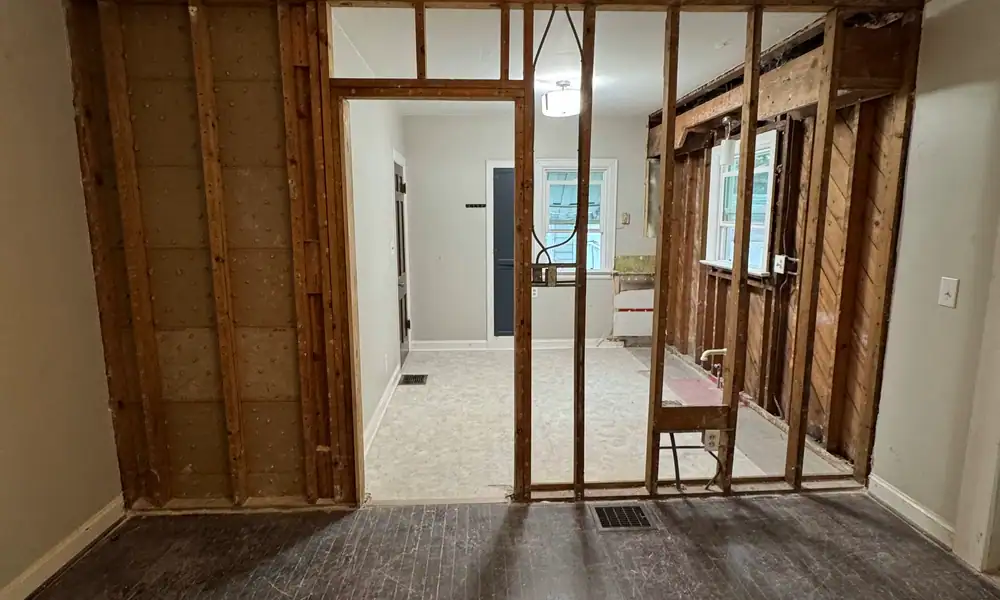
Four documents, named on the form. It asks for “a copy of liability insurance, owner approval of demolition, demo plan, and an asbestos report (where applicable)” with the application. Four items against Lexington’s eight, which tells you something about how differently two neighboring cities can treat the same job.
Utilities are yours to handle. The form states that “it is the responsibility of the Contractor/Owner to have all utilities located, marked, and disconnected.” That is not a formality on a structure: it is arranging separate visits from separate utilities, and it is the step most likely to sit unmoved for a fortnight.
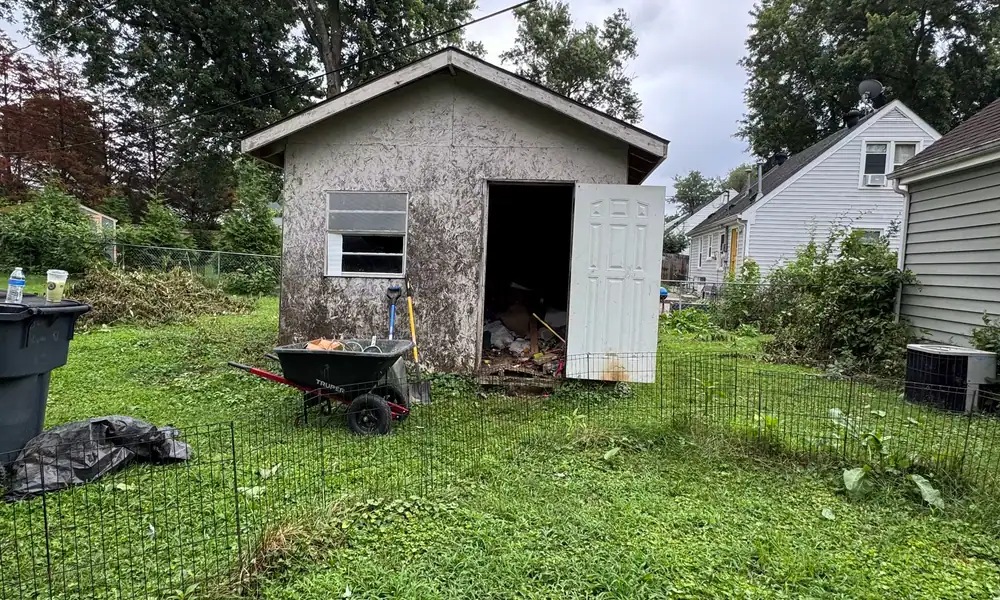
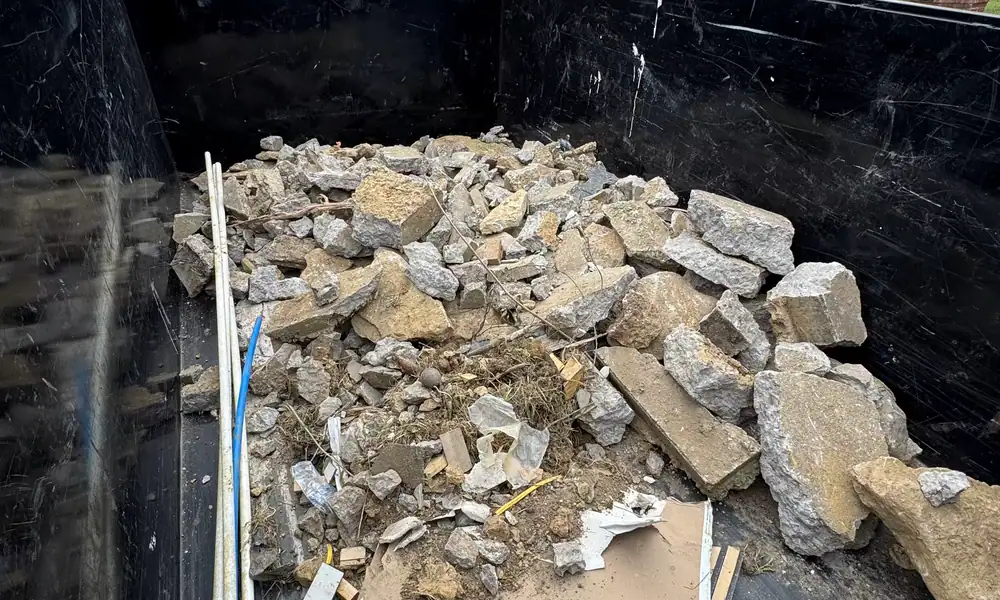
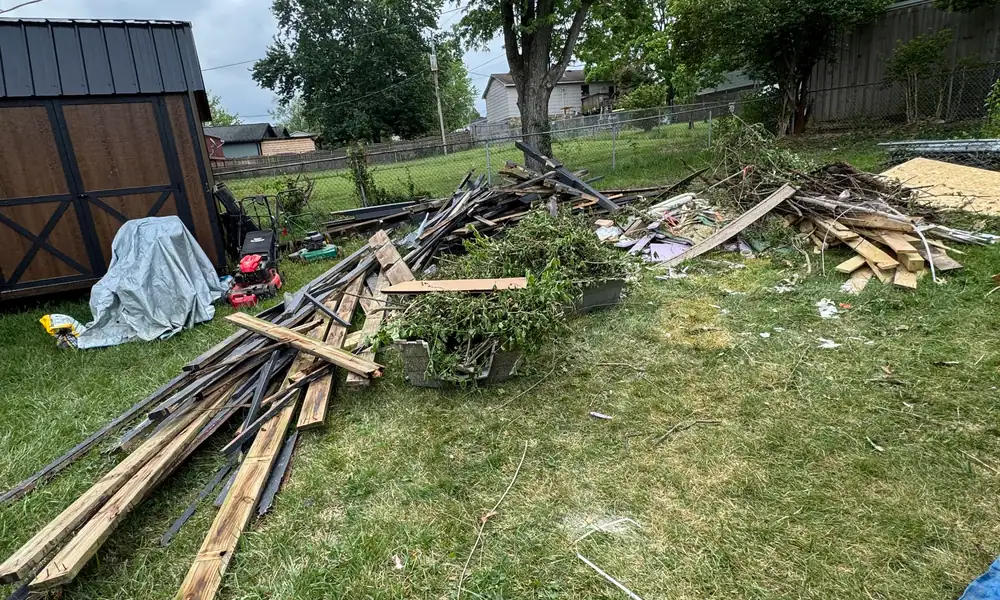
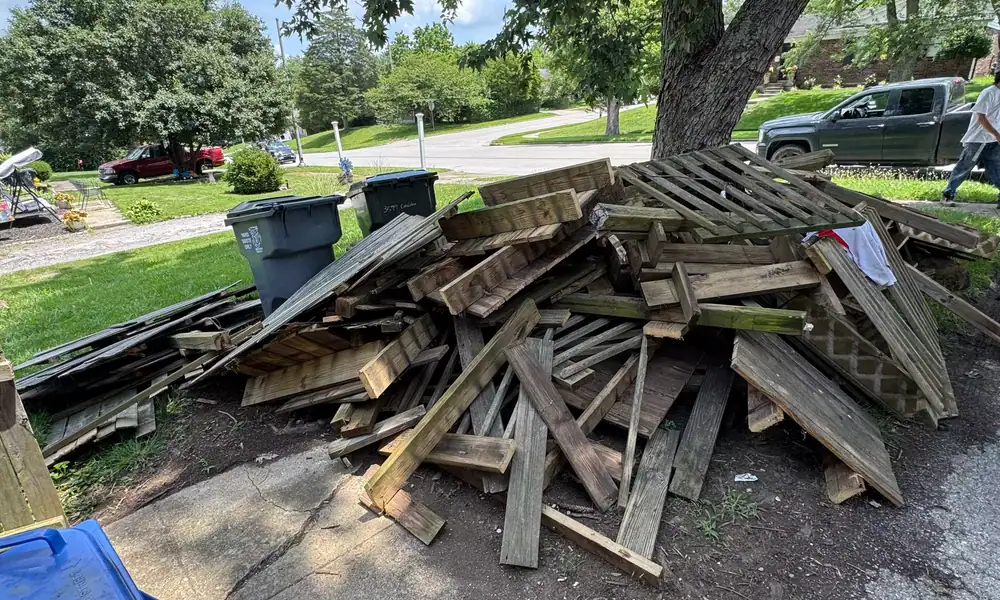
And so is the debris. The form is blunt about it: “it is the responsibility of the Contractor/Owner to remove all demolition debris from the site; it will not be removed by the City of Richmond.” Which is the whole of what we do anyway, and worth checking is in any quote you take here.
Two dates to know. Payment is due at submission and the city asks you to “allow five (5) business days for processing, once all required documents are received.” Once issued, permits “become void if work does not begin within 180 days or is suspended at any time for over 180 days.” Six months is generous, but it is not indefinite: worth knowing if you are permitting ahead of a sale.
The department also requires a City of Richmond business license number from the contractor, and if the property is in the H1 historic district the Architectural Review Board must be contacted before any work proceeds. This is a plain-English summary of a published form, not legal advice; Building Inspection on (859) 625-6428 is the authority on your address.