
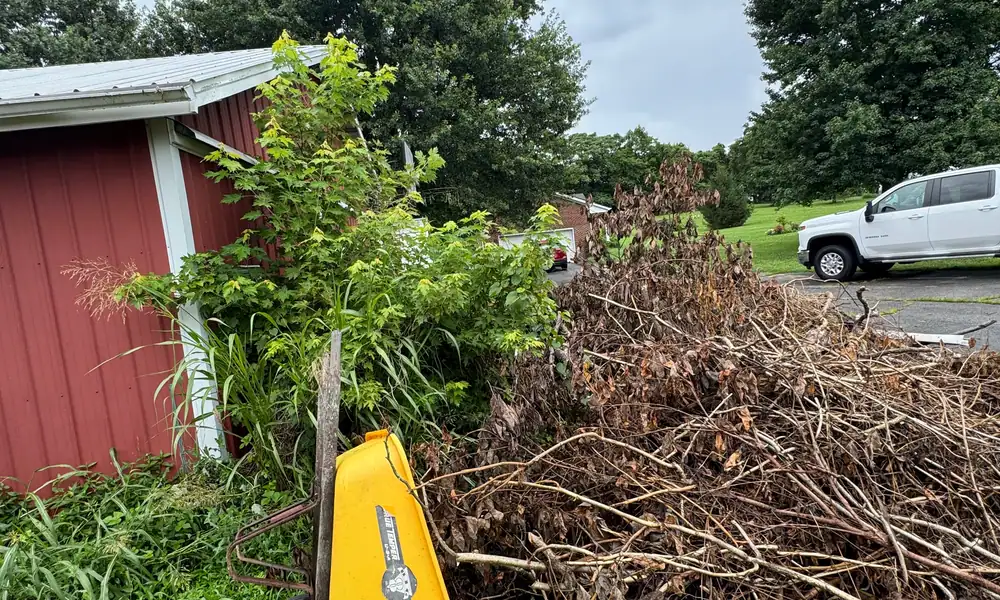
Overgrown Pastures
It was grazing land within living memory
Pastures taken over by brush, weeds, and undergrowth fully reclaimed.
Restore overgrown farmland, pastures, and fields to productive agricultural ground across Central Kentucky. We clear dense scrub, thorn bushes, saplings, and fence lines at transparent per-acre rates, hauling heavy vegetation off-site so your land is clean, mown-ready, and workable.
5.0 · 56 Google reviews (opens the Google listing in a new tab)
Licensed · Bonded · Insured · EPA compliant
We publish transparent per-acre price ranges for pasture and field reclamation across Central Kentucky. Every quote includes heavy brush clearing, fence line maintenance, and complete debris haul-off so you get a firm figure before work begins.
Under roughly two to three acres. A paddock or a single field.
Three to eight acres, which is where most reclamation work lands.
Eight acres and up, or ground that has gone well past brush into small timber.
Under about an acre, this is usually priced as overgrown lot clearing instead: the ranges there are lower and it is the same work at a smaller scale.
Crown’s own categories. This is the one land clearing job measured in acres rather than lots, and it is priced and planned accordingly.
It was grazing land within living memory
Pastures taken over by brush, weeds, and undergrowth fully reclaimed.
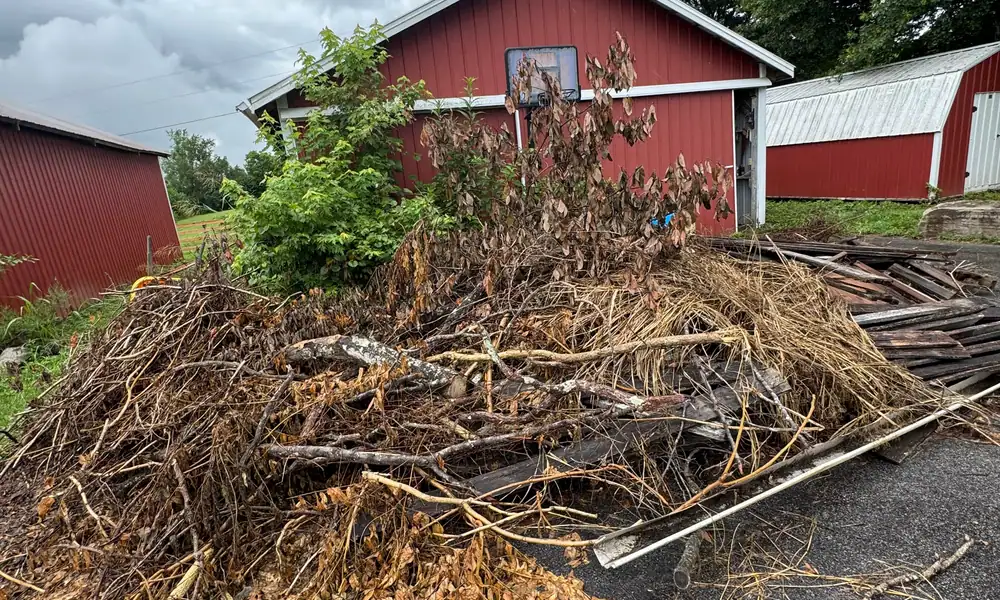
Nobody has worked it for years
Fields that have gone unused for years restored to usable condition.
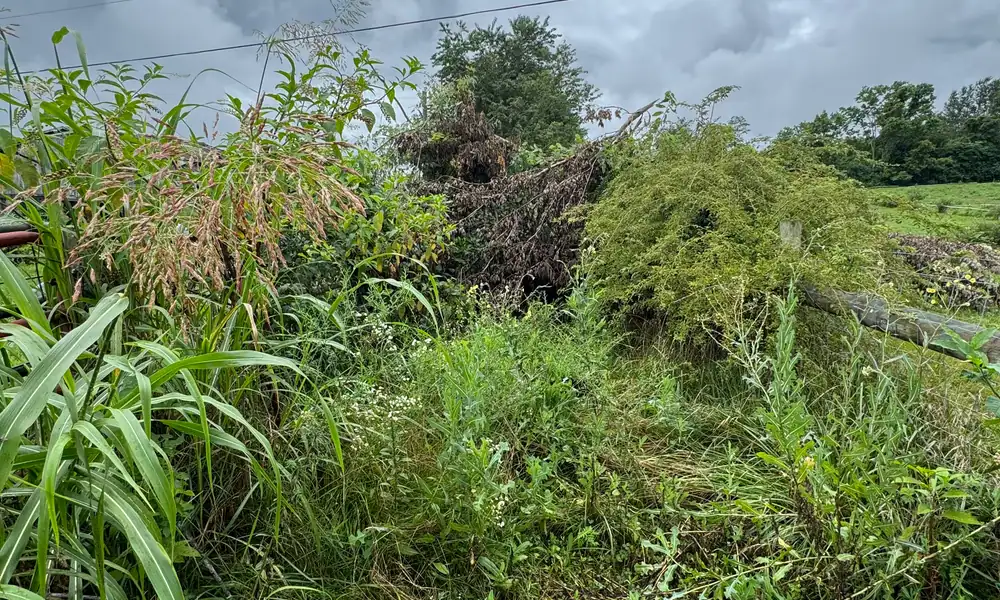
The brush line advances every season
Dense brush and small trees cleared from productive land.
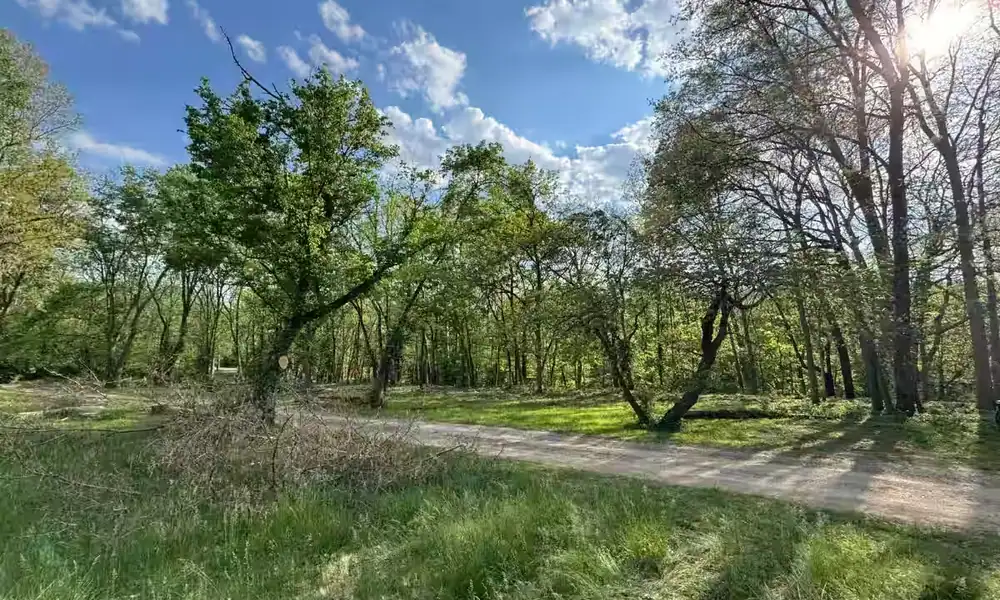
You want animals back on it
Land cleared and prepared for grazing or livestock use.
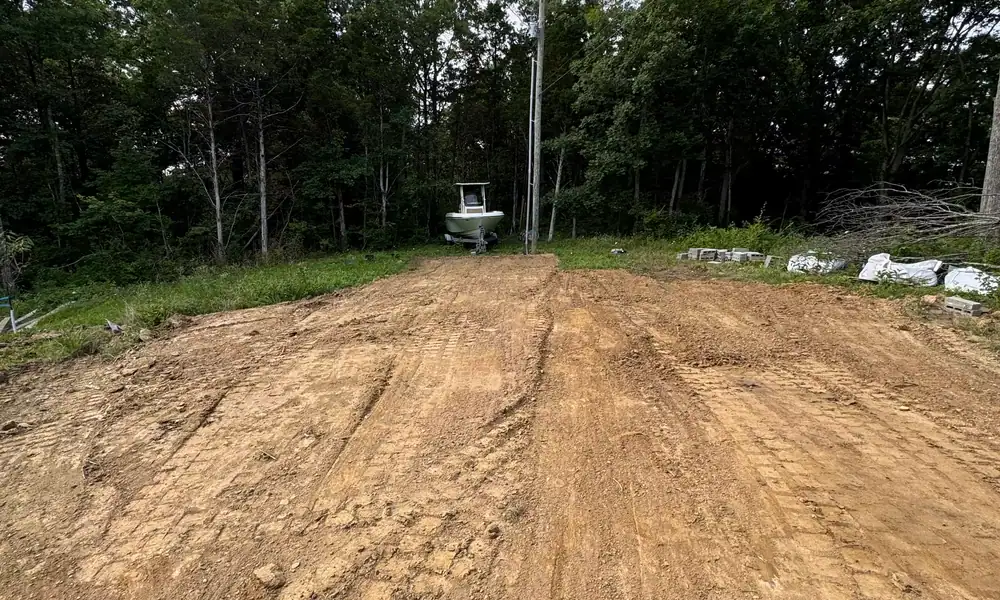
You cannot get a tractor down it
Access lanes and field edges cleared for equipment and livestock.
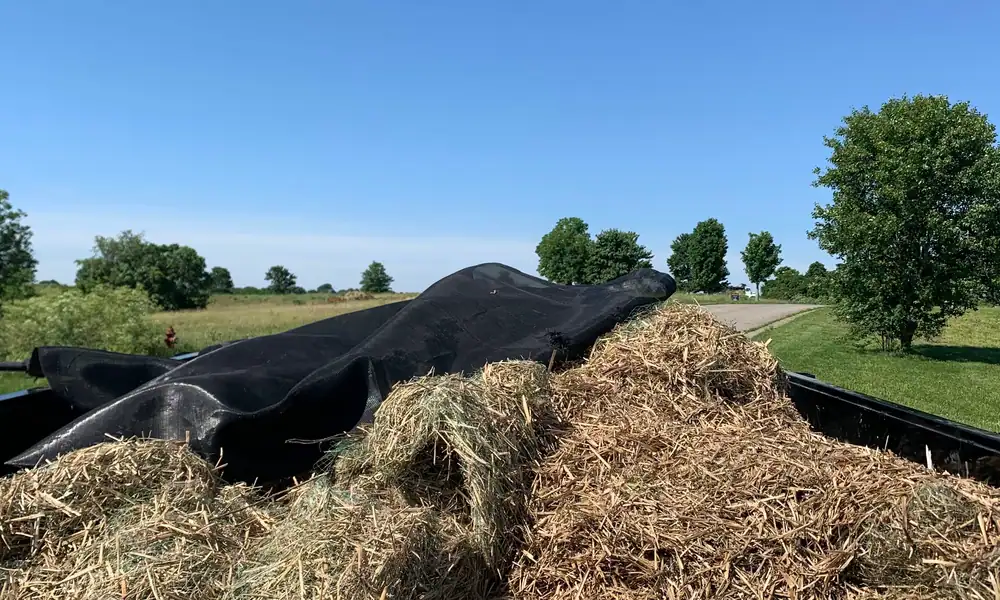
No windrows left across the ground
All cleared material loaded and removed from the property.
Understanding the difference between mechanical pasture clearing and agricultural soil preparation helps Central Kentucky landowners plan a successful restoration project. Here is what heavy brush removal delivers and what steps remain before introducing livestock.
Our equipment cuts, extracts, and hauls away overgrown brush, thorn bushes, and saplings off your property. You get clean, open ground that stops encroaching brush lines and gives your farm equipment full access across every acre.
Land buried under brush for years requires soil testing, liming, fertilizing, and grass seeding to establish grazing turf. We recommend contacting your local Central KY County Extension Office for agronomy guidance once our clearing crew has removed the heavy vegetation.
Four steps, no obligation, and you only pay for work completed.
Photos from the gate and the acreage get you a ballpark. Larger ground we walk before quoting.
We create a plan based on your goals for the pasture or field: full clear, or edges and access only.
Brush, undergrowth and unwanted vegetation cleared efficiently across the ground.
Debris removed and the land walked with you, ready for its next use.
Extremely helpful and nice, was hired for land clearing and site preparation they removed pesky honey suckle. Definitely going to hire them in the future.
Very quick from contact to in home to remove some flooring. Once on site they got straight to work and did an outstanding job! Very reasonable price for the work done. Will continue to use them for all future needs.
Very hard workers that cleaned out a whole house that was trashed and filthy. Very polite and considered. Would definitely recommend this company!
Answered properly rather than deflected to a phone call.
Send two or three photos. If it is really a different service we will say so and point you at the right page. It costs you nothing either way.
Send photos insteadUp to a point, and the honest answer is that it depends on what is on it rather than how many acres. Under eight acres of brush and small trees is banded work. Past that, or where the ground has gone beyond brush into established timber, it is quoted on what is actually there, and on some parcels the right answer is a forestry contractor with a mulching head rather than us. We will say so.
Yes, and it is priced in. This is the main structural difference between us and a forestry mulching outfit: mulching grinds the growth and leaves it on your ground, which on a field you intend to graze or work is material you then have to deal with. We load it and it leaves.
Cleared, yes; grazing, not immediately, and this is worth being straight about. Clearing removes the brush and undergrowth and gets you back to open ground. What it does not do is re-establish pasture: after years under brush, the soil usually needs testing, and getting grass back generally means seeding and attention to fertility and pH. That is an agronomic job rather than a clearing one, and your county Extension office is the right place for it. What we can tell you is that the work is far cheaper and far more likely to take once the brush is off, which is the order it has to happen in anyway.
Small paddocks are often a day or two; medium acreage runs longer and depends heavily on density and ground conditions. Wet ground is the usual reason a field takes longer than it looks, because it decides what equipment can go on it. You get a real window with the quote.
Acreage, density of vegetation, terrain and access. Under two to three acres runs $1,200 to $2,800; three to eight acres is $2,800 to $5,500; beyond that is quoted on the ground. Access matters more here than on a domestic lot, because a field you cannot get a loaded truck out of is a different job entirely.
Lexington and the surrounding counties: Lexington, Georgetown, Nicholasville, Richmond, Frankfort, Winchester, Versailles and Paris. Reclamation work is mostly in the outer counties, and because it is full-day work the drive matters far less than it does on a small job.
Send the acreage, a photo from the gate and one from inside the growth. Access and density decide the number as much as the acres do.